Classic Car Underbody Preservation
A sympathetic, originality-led approach to the underside of a classic. We clean and protect without stripping away what makes the car original – preserving factory finishes and patina, treating only what needs it, and documenting the underside for the history file.
Classic car underbody preservation protects the underside of an older car while respecting its originality. We use dry ice blasting to clean sympathetically – keeping sound factory underseal, original paint and patina – then treat any corrosion and apply protection that can still be inspected. It is the careful, documented alternative to either neglect or a heavy-handed restoration. For the broader programme, see underbody preservation.
Classics we’ve worked on
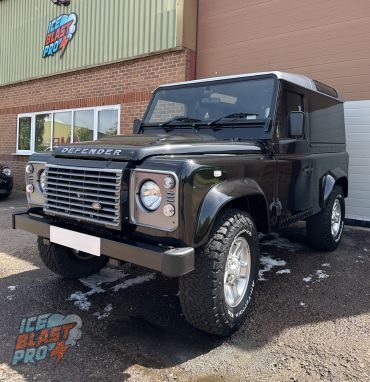
From E-Types to early Range Rovers, these are some of the classics that have come through the workshop – every one cleaned and protected to keep its originality intact.
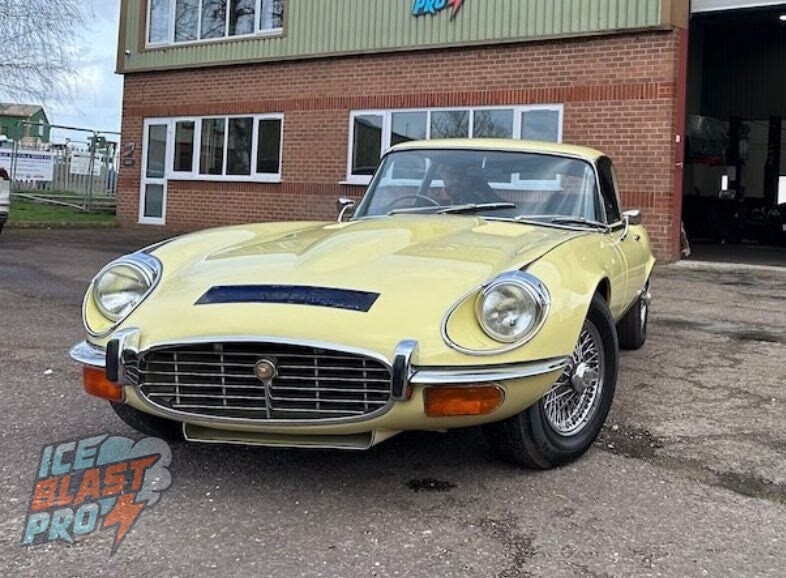
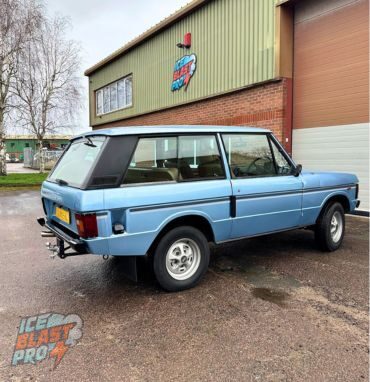
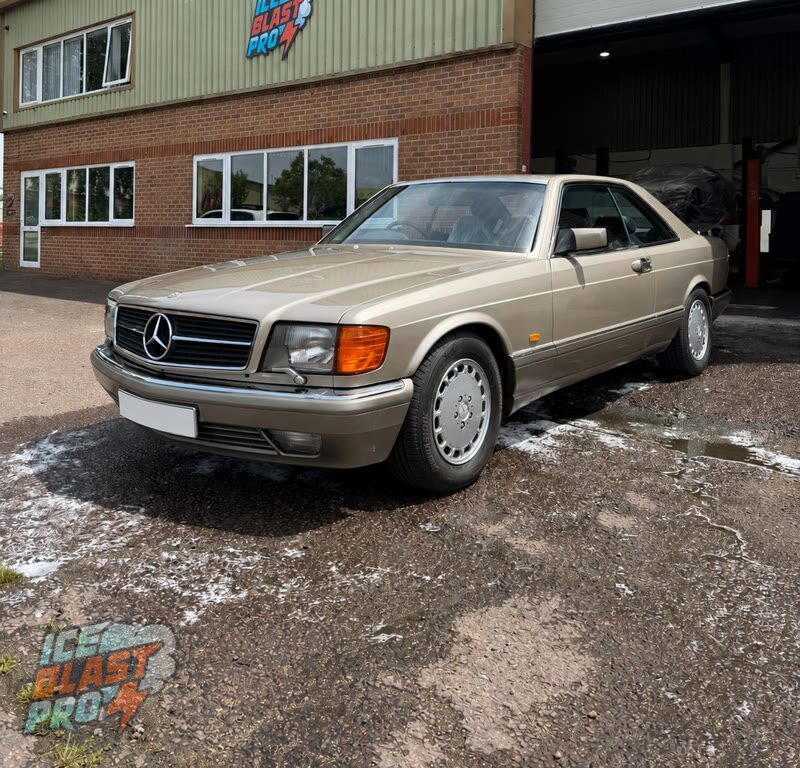
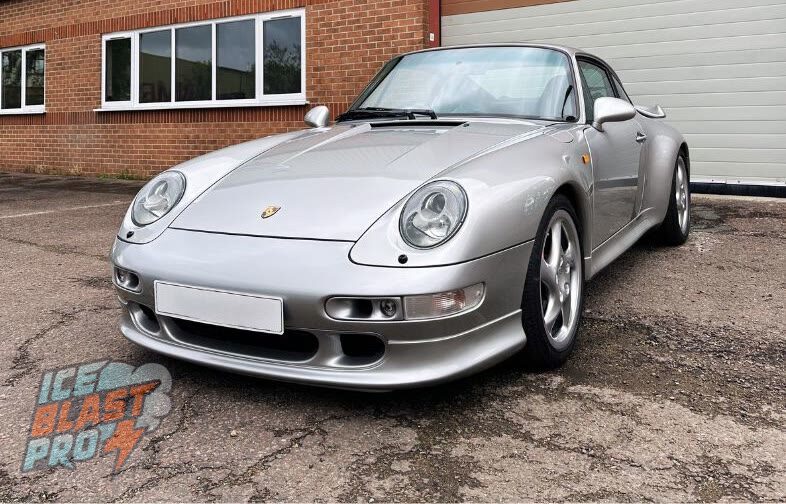

Originality is the whole point
With a classic, the underside is part of the car's authenticity. The factory underseal, the original paint marks, the plating on the hardware – these are the things a knowledgeable buyer and a concours judge look for. The wrong cleaning method destroys exactly what makes the car valuable, replacing decades of originality with a uniform, obviously-restored finish.
Our approach is the opposite. We treat the underside as something to be preserved, not refinished. Dry ice removes grime, road salt and failed coatings without touching sound original material, so the car keeps its history rather than losing it to the cleaning process.
Preservation, not over-restoration
There is a meaningful difference between preserving a classic and over-restoring it. A glass-smooth, freshly coated underside can actually devalue an originality-led car and raise questions about what was done to achieve it. Preservation aims for honesty: a stable, protected, clearly original underside that tells the truth about the car.
- Keep what is sound – original underseal and finishes that are still doing their job stay on the car.
- Treat only what needs it – corrosion is addressed where it exists, not used as an excuse to strip the whole car.
- Protect visibly – clear systems keep the underside inspectable and the originality on show.
- Respect patina – the look you want is agreed before any work begins.
Fragile materials, careful hands
Older cars bring materials that modern methods can ruin – aged rubber, original loom tape, delicate plating, thin and previously repaired metal. Dry ice is gentle on all of it because it is non-abrasive and adds no water or chemicals. Where corrosion has pitted into seams or fasteners, we support the work with laser cleaning for precision in the most delicate areas, and any rust is treated as a careful, separate stage.
A documented underside adds value
For a classic, paperwork is part of the car. We photograph and record the underside through every stage and hand over a report for the history file. When the car is sold, that documented, protected underside answers the single biggest unknown a serious buyer has – and shortens the conversation considerably. It pairs naturally with a pre-purchase inspection when you are buying, and annual maintenance once the work is done.
Many of the classics we preserve come from the Cotswolds and from across the UK – most are treated at our Oxfordshire workshop, with collection and delivery by arrangement.
Common questions
Will preservation affect my classic's originality?
It is designed not to. Dry ice cleaning is non-abrasive and non-chemical, so sound factory underseal, original paint, plating and markings are preserved while only contamination and failed coatings come away. For an originality-led car we clean sympathetically and keep what should be kept, rather than stripping the underside back to bare metal as a restoration would.
I want to keep the patina – is that possible?
Yes. Patina and preservation are not in conflict. The goal is a stable, protected, honest underside, not a glossy over-restored one. We can clean and protect while retaining original character and finishes, and we agree the look you want before any work begins so the car still reads as the car it is.
Do you document the work for the history file?
Always. We photograph the underside before, during and after, record what was found and what was done, and provide a report for the car's history file. For a classic that documentation is part of the value – it gives a future buyer a clear, honest record of the underside rather than an unknown.
Why use a clear protection on a classic?
Clear protection keeps the cleaned metal and original finishes visible, so the underside can still be inspected and the car's originality can be seen. It is easy to maintain and ideal where authenticity matters. Where a car is used harder or through winters, a more durable system can be chosen instead – we recommend based on how the car is used.
Preserve your classic the honest way
Tell us about your vehicle and what you want to achieve, and we'll recommend the right preservation programme with a quote to match.
Get Instant Quote