Underseal Removal
Old, cracked underseal does more harm than good. We remove failed underseal with dry ice blasting – no heat, no water and no abrasion – then show you the true condition of the metal underneath before it is treated and protected.
Underseal removal is needed when old coatings have failed, cracked, gone brittle or started trapping moisture against the metal. At IceBlastPro, we remove degraded underseal using dry ice blasting because it lifts failing coatings, grime and contamination without soaking the vehicle or damaging sound steel.
The aim is not just to strip the underside. It is to reveal the true condition underneath, so the metal can be inspected, corrosion can be treated where needed, and the vehicle can be properly protected again. It is the first stage of proper underbody preservation – not a cosmetic respray over whatever is already there.
Who underseal removal is best for
A good fit for
- Vehicles with failed, cracked, brittle or lifting underseal
- Old coatings that may be trapping moisture against the metal
- Cars with unknown underside history or previous treatments that need checking properly
- Owners who want the true condition of the underside revealed before protection
- Classic, performance, prestige and collector vehicles being prepared for proper underbody preservation
Less suited to
- Removing sound, well-bonded factory coatings that are still doing their job
- A quick cosmetic clean to make the underside look better
- Spraying over old underseal, dirt, moisture or corrosion
- Hiding rust to make the underside look finished
- Owners looking for the cheapest possible underside clean rather than a proper preservation process
Before and after: the underside cleaned back for inspection
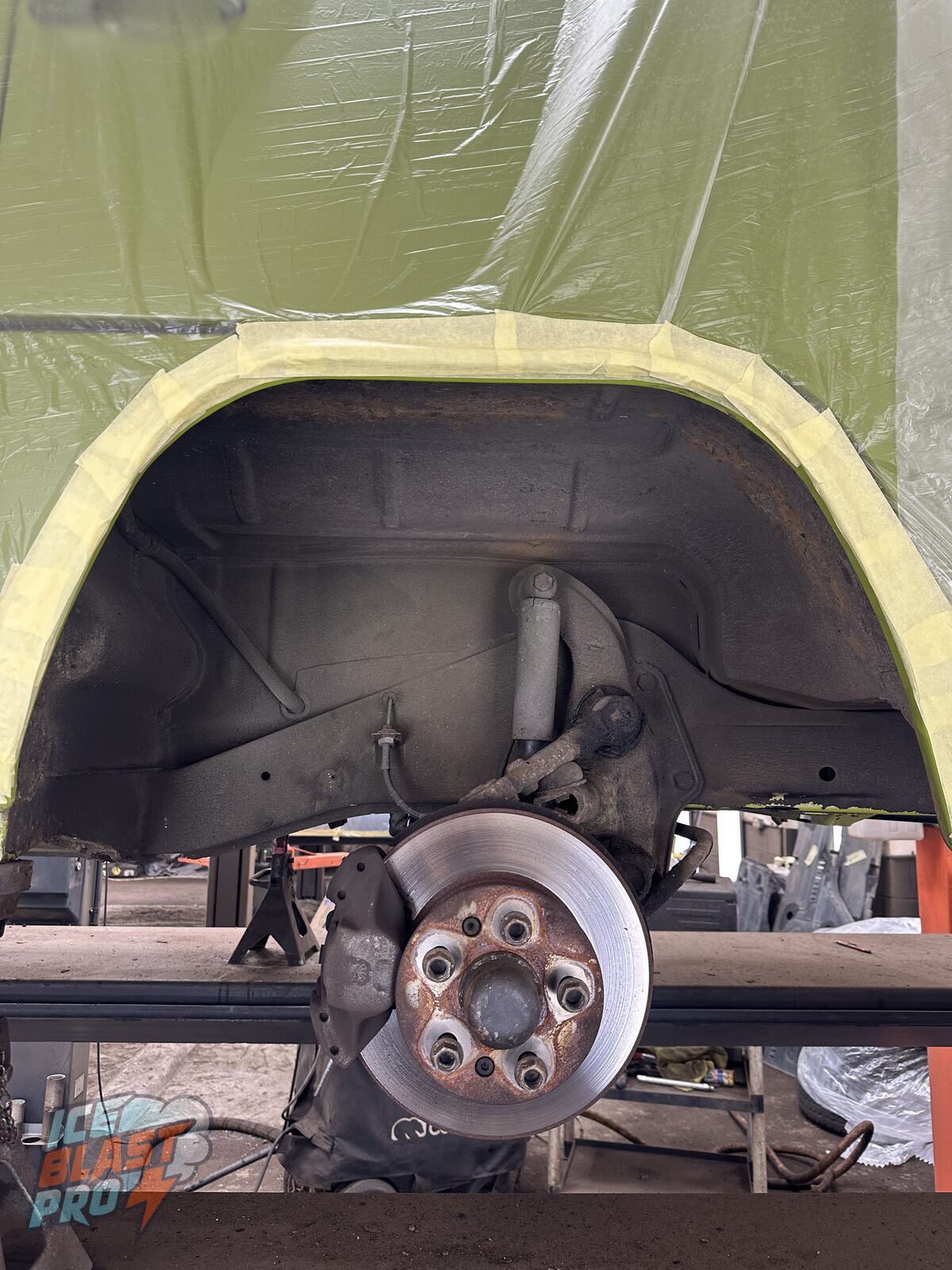
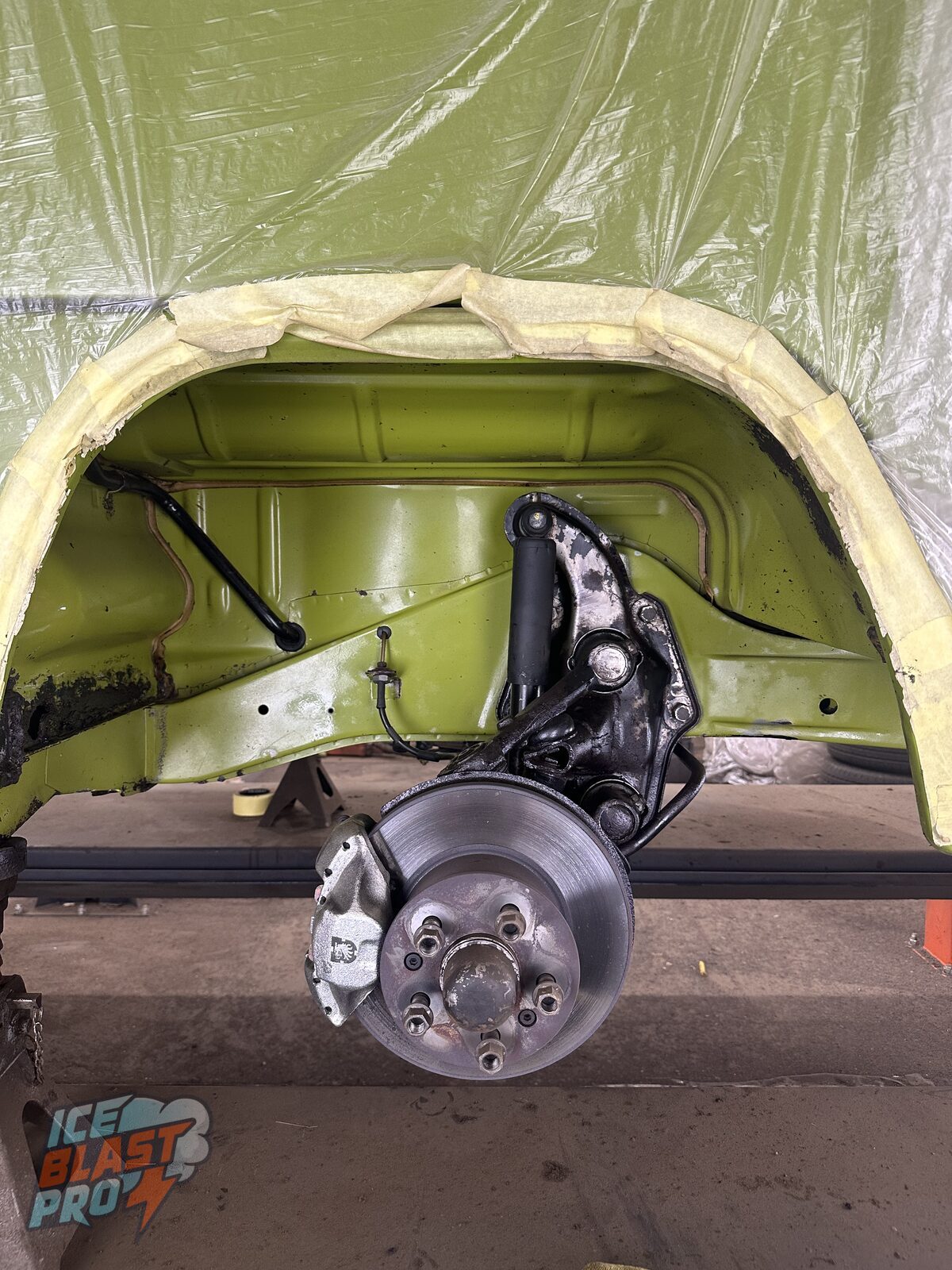
Why old underseal needs to come off
Underseal is designed to flex with the car and stay fully bonded to the metal. When it is fresh and intact it works. The problem is time: decades-old factory underseal and cheap aftermarket coatings go hard, crack and lift at the edges. Once that bond breaks, water, road salt and damp air get in behind the coating and sit against the steel with nowhere to escape.
From that point the underseal stops protecting the car and starts working against it – trapping moisture and hiding the corrosion it causes. A car can look perfectly tidy underneath while rust quietly spreads behind the coating. The only way to know what is really there, and to do anything about it, is to take the failed underseal off.
Underseal removal methods compare
| Method | The trade-off |
|---|---|
| Scraping & wire-wheeling | Slow, patchy and gouges sound metal |
| Burning off with heat | Distortion, fumes and fire risk near fuel and brake lines |
| Chemical strippers | Residue to neutralise and wash out of seams |
| Pressure washing | Drives water into cavities and electrics |
| Dry ice blasting | No water, no abrasion, no media, no residue |
How we remove underseal
Assess. We check how much underseal is on the car, how well it is bonded and which areas are already lifting. Test patches help us identify the type of underseal, what is sitting underneath it and how the removal should be approached before the wider work begins.
Remove. Dry ice blasting lifts degraded underseal, wax and contamination back to clean, treatable metal – pressure and standoff matched to the surface so sound original finishes are preserved.
Reveal and protect. The exposed metal is photographed, corrosion is treated as a separate stage, and a long-term protection system is applied so the underside is left better than we found it.
Underseal removal in action
This Aston Martin V8 Volante came in with old underseal over the underside. Watch the dry ice lift the degraded coating back to clean, inspectable metal – no heat, no water and no abrasion.
What we usually find underneath
Removing underseal almost always tells a story. On some cars the metal underneath is sound and simply needs cleaning and protecting. On others, the underseal has been hiding exactly what you would expect it to hide.
- Surface and active corrosion – starting in the seams, box sections and floorpans where damp has been trapped.
- Previous repairs – filler, plates or earlier underseal applied straight over rust rather than treating it.
- Moisture pockets – damp held against the steel behind lifted coating, the perfect environment for rust to spread.
- Sound, original metal – on a well-kept car, clean steel that just needs the right modern protection.
Whatever we find is photographed and discussed before the next stage. If there is corrosion, sealing straight back over it is never an option – see can you underseal over rust for why.
Removal is the start of preservation
Stripping the old underseal is only worthwhile if the car is protected properly afterwards. Once the metal is clean and any corrosion has been stabilised and treated, we apply a protection system matched to how the car is used, inject cavity wax into the closed sections, and document the work. That full journey is set out on our underbody preservation page.
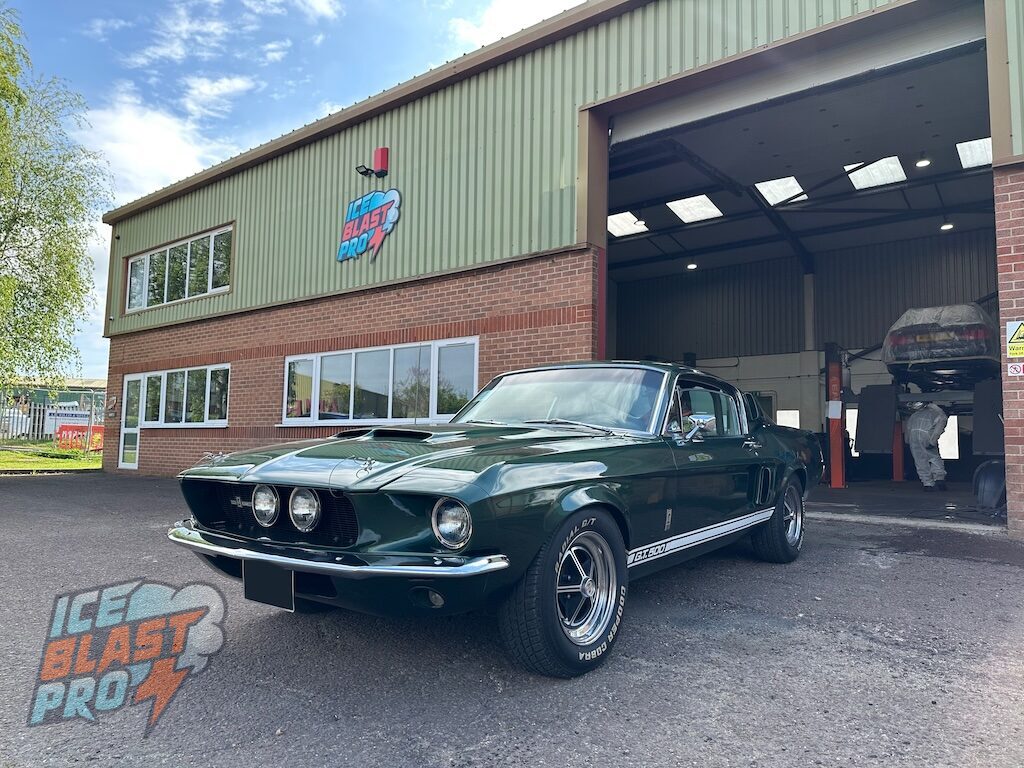
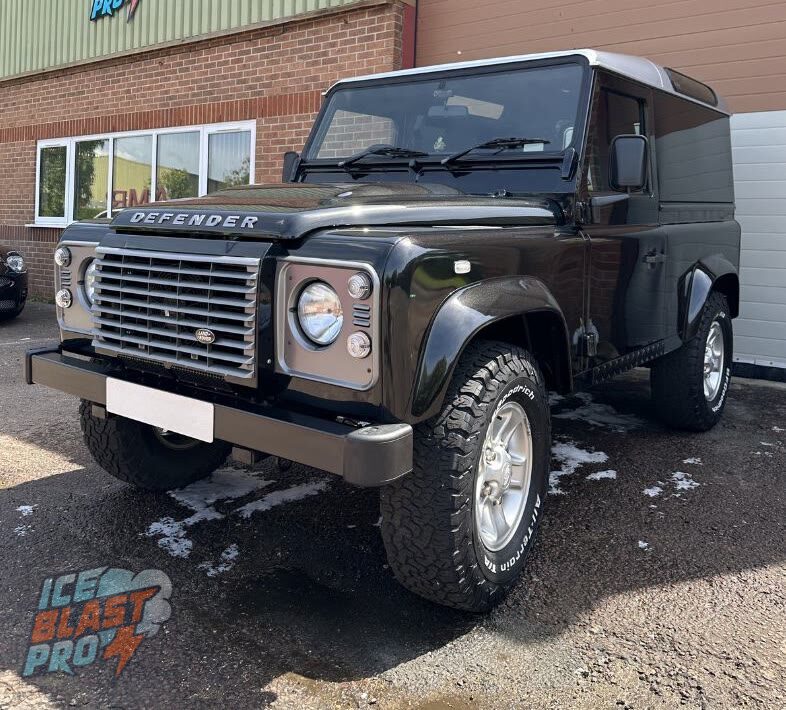
Proof: related case studies
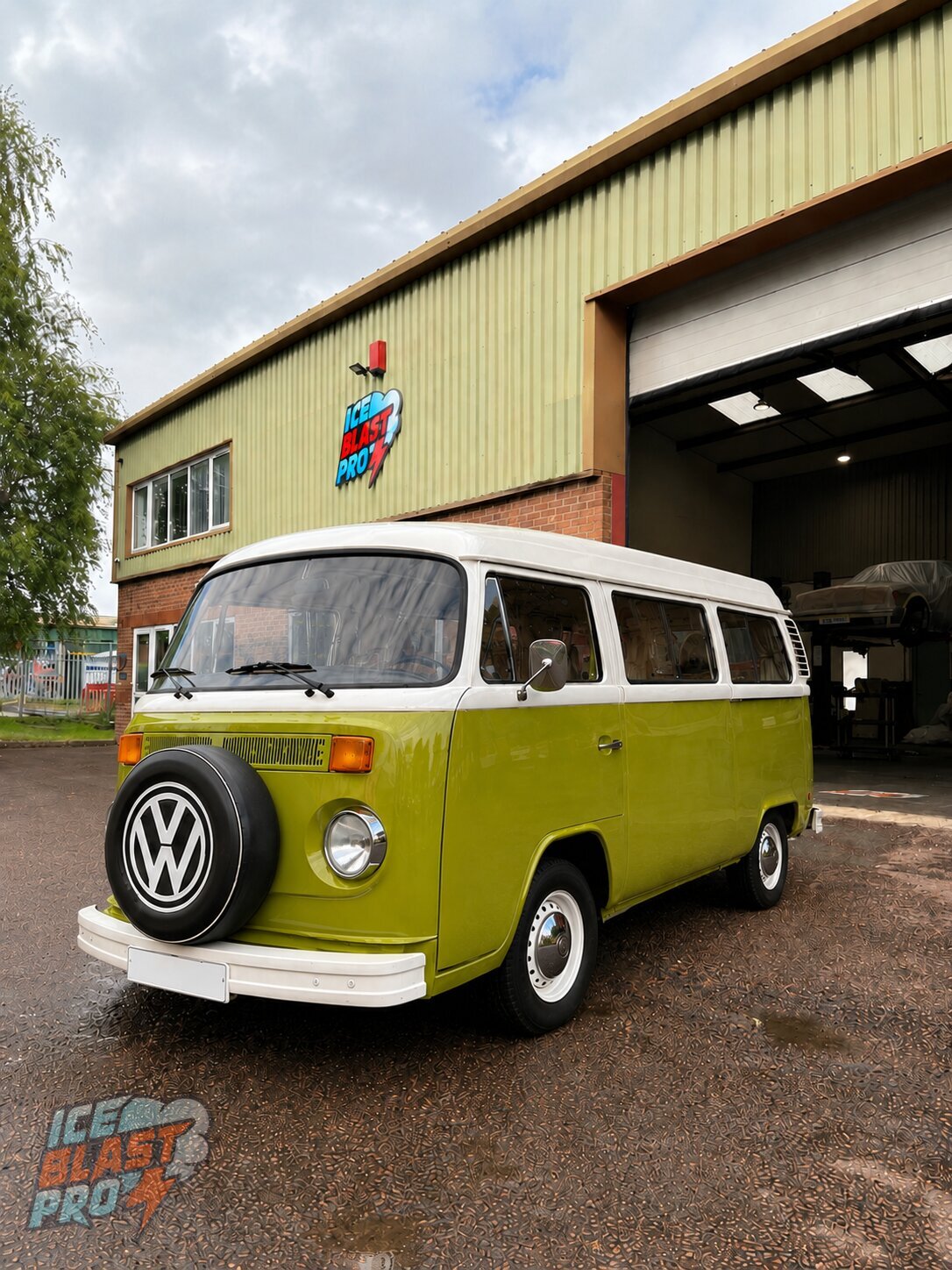
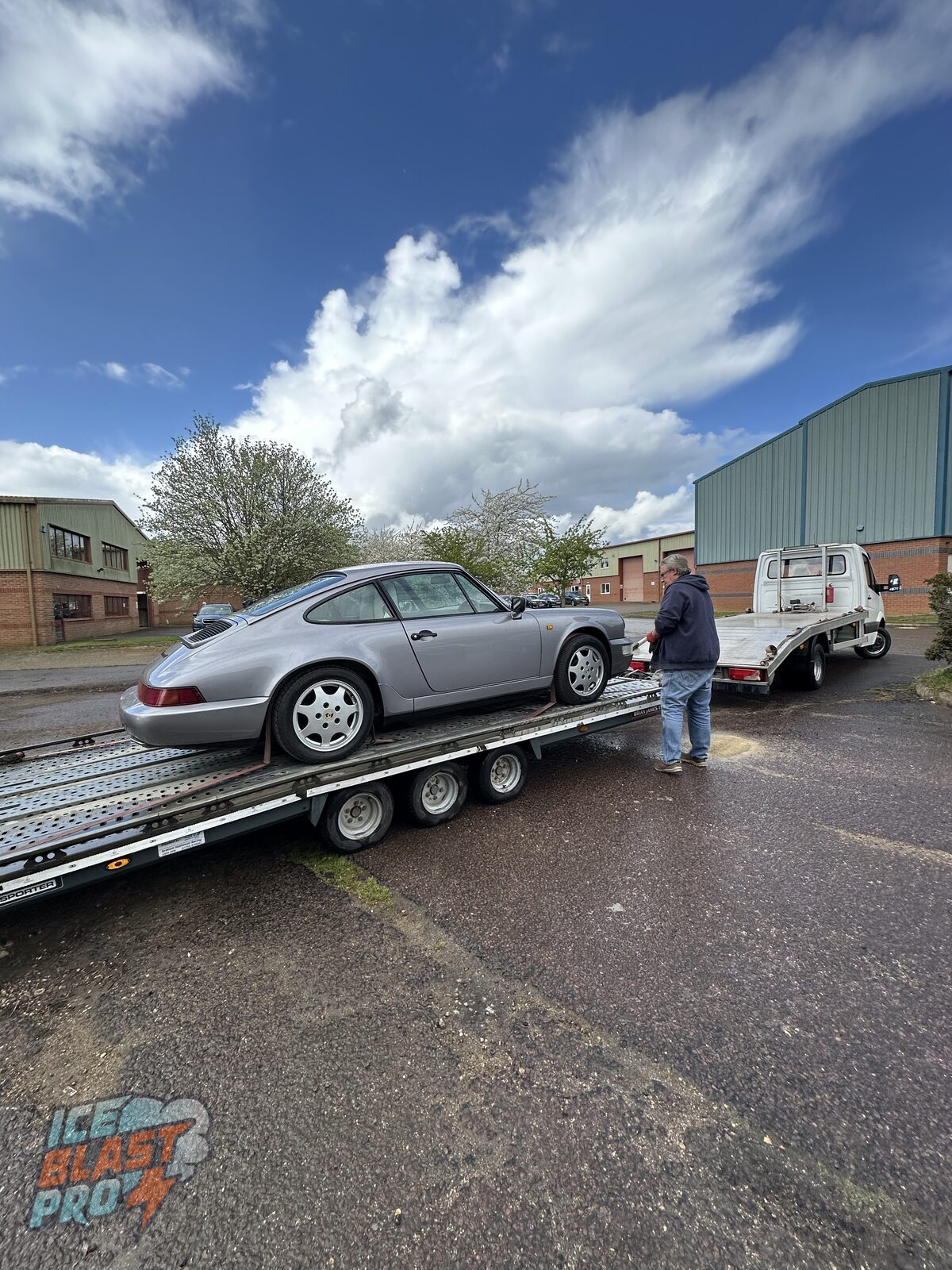
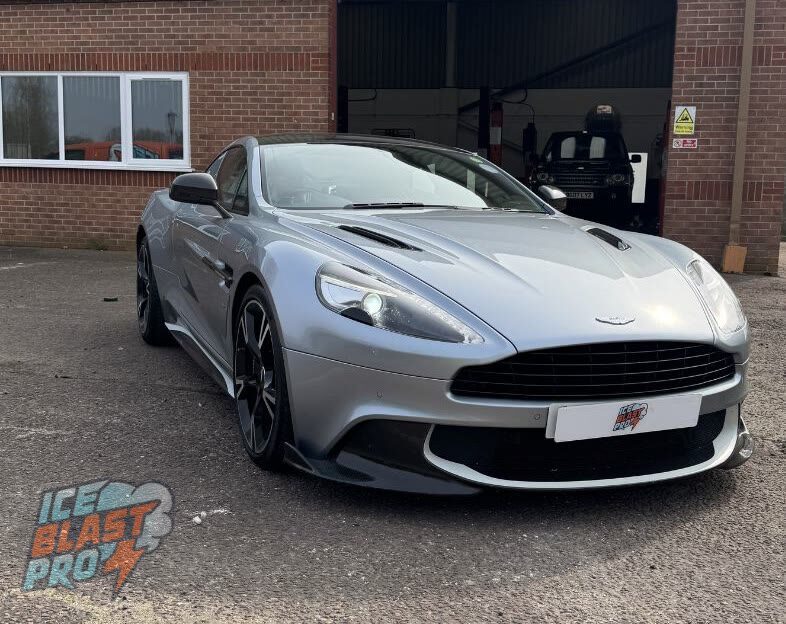
See underside contamination and old coatings stripped back to clean, treatable metal as the first stage of a preservation job:
Common questions
Why remove old underseal at all?
Underseal is only protective while it stays flexible and fully bonded. As it ages it cracks, lifts and goes brittle, and moisture creeps in behind it. From that point the coating actually holds salt and damp against the steel and hides the corrosion it causes. Removing failed underseal is the only way to see the real condition of the metal and protect it properly.
Is dry ice better than scraping, burning or chemical strippers?
For a car you intend to keep, yes. Scraping and wire-wheeling is slow and gouges the metal; burning underseal off with heat risks distortion, fire and fumes near fuel and brake lines; chemical strippers leave residue to neutralise and wash out of seams. Dry ice lifts degraded underseal without water, abrasion or heat, and the spent ice sublimates to gas so there is nothing to clean out of the cavities afterwards.
What if there is rust under the underseal?
It is common, and it is exactly why the underseal comes off first. Once the underside is clean we photograph what we find and discuss it before any further work. Active corrosion is stabilised and treated as a separate stage – we never re-seal over rust to make the job look finished.
What happens after the old underseal is removed?
Removal is the first stage of preservation, not the end of the job. Once the metal is clean and any corrosion is treated, we apply a long-term protection system matched to how the car is used – clear or black coatings, cavity wax and engine bay protection as required – and document the work for the history file.
See what's really under your underseal
Tell us about your vehicle and what you want to achieve, and we'll recommend the right preservation programme with a quote to match.
Get Instant Quote